Replacing your driveway is a significant home improvement project that can greatly enhance your property’s curb appeal and functionality. However, beyond the obvious expenses like materials and labour, there are often hidden costs that many homeowners overlook until it’s too late. From unexpected permits and drainage solutions to potential landscaping repairs and unforeseen site preparation fees, these additional expenses can quickly add up and derail your budget. In this blog post, we’ll uncover the common hidden costs to watch for when replacing your driveway so you can plan effectively, avoid surprises, and make informed decisions every step of the way.
1. Inspection Fees
When planning to replace your driveway, one of the hidden costs that many homeowners overlook is the inspection fees. Before any construction begins, it’s common for local authorities or your contractor to require an inspection of your existing driveway and the surrounding property. This process ensures that the new driveway complies with zoning laws, building codes, and environmental regulations.
Inspection fees can vary widely depending on your location and the complexity of the project. Some municipalities charge a flat fee, while others may assess costs based on the size or scope of the work. Additionally, if your property requires multiple inspections—such as preliminary site evaluation, progress checks, and a final inspection—these costs can quickly add up.
It’s important to budget for these fees upfront to avoid any surprises down the line. Skipping or delaying inspections can result in fines, work stoppages, or even the need to redo parts of the driveway, which will increase your overall expenses. To keep costs manageable, be sure to ask your contractor about any required inspections and associated fees during the initial planning stages. This proactive approach will help you stay on track financially and ensure a smooth, hassle-free driveway replacement.
2. Preparation and Excavation Costs
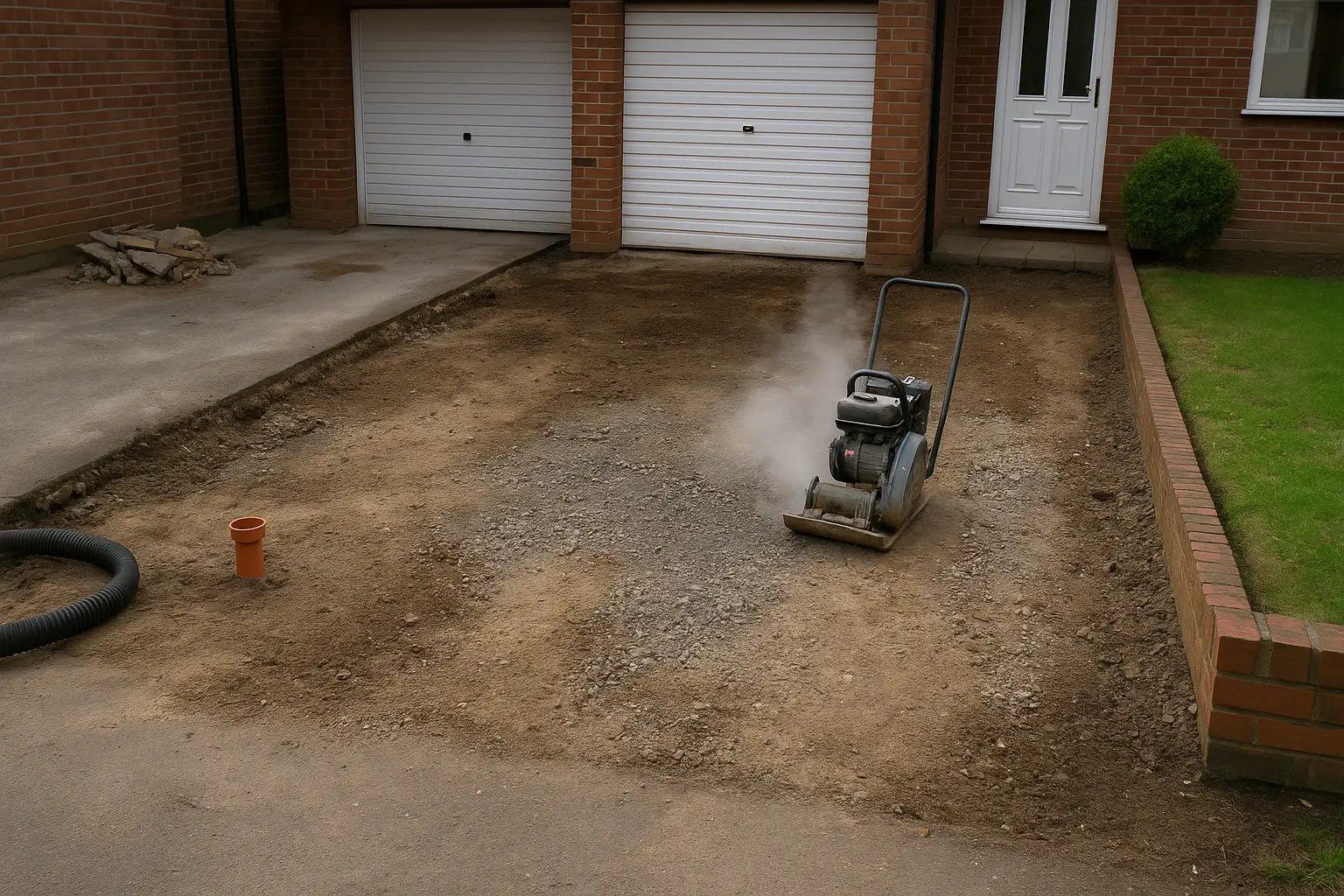
When replacing your driveway, one of the often-overlooked expenses is the cost of preparation and excavation. Before the new driveway can be installed, the existing surface must be removed, and the ground beneath needs to be properly prepared to ensure durability and longevity. This process typically involves breaking up and hauling away the old driveway material, which can be concrete, asphalt, or gravel. Depending on the size and condition of your current driveway, this can be a labour-intensive and time-consuming task.
Excavation is also necessary to grade the area correctly, allowing for proper drainage and preventing future issues like pooling water or cracking. In some cases, additional soil or gravel must be brought in to create a stable base. The cost of renting heavy machinery, hiring skilled labour, and disposing of debris can quickly add up, sometimes accounting for a significant portion of your overall project budget. It’s essential to discuss these preparation and excavation requirements with your contractor upfront so you can plan accordingly and avoid unexpected expenses down the line.
3. Sealing and Waterproofing Expenses
When replacing your driveway, one often overlooked cost is the sealing and waterproofing required to protect your investment. After the installation of a new driveway—whether it’s concrete, asphalt, or pavers—applying a high-quality sealant is essential to shield the surface from water damage, UV rays, stains, and general wear and tear. Sealants help to prevent cracks, fading, and erosion caused by exposure to the elements, ultimately extending the lifespan of your driveway.
However, sealing and waterproofing come with additional expenses that can add up over time. The initial sealing process typically needs to be done shortly after the driveway has cured, and regular resealing is recommended every 2 to 3 years depending on traffic and weather conditions. Professional sealing services vary in cost based on the size and material of your driveway, but DIY options, while more affordable, require time, effort, and proper equipment.
Failing to factor in these recurring maintenance costs could result in unexpected expenses down the road. By budgeting for sealing and waterproofing upfront, homeowners can ensure their driveway remains both functional and visually appealing for many years to come.
4. Ongoing Restoration and Repairs
When replacing your driveway, it’s easy to focus solely on the initial installation costs, but ongoing restoration and repair expenses are just as important to consider. Even the highest-quality materials will require maintenance over time to keep your driveway looking great and functioning properly. Cracks, chips, and surface wear can develop due to weather conditions, heavy use, and natural settling of the ground beneath. Addressing these issues early with proper sealing, patching, or resurfacing can prevent more extensive, and expensive, repairs down the line. Additionally, if you opt for specialised finishes or decorative elements, restoration may require professional care to maintain their appearance. Factoring in these maintenance costs before starting your driveway replacement project will help you budget more accurately and avoid unexpected expenses in the future.